Amélie (2001)
- Eagle-eyed viewers have noticed a hidden easter egg referencing Jean-Pierre Jeunet's previous film in the background of the opening scene.
- Many of the practical effects used in the climax were achieved without any CGI.
- The incredible score for Amélie was composed in just a few weeks after the original composer dropped out.
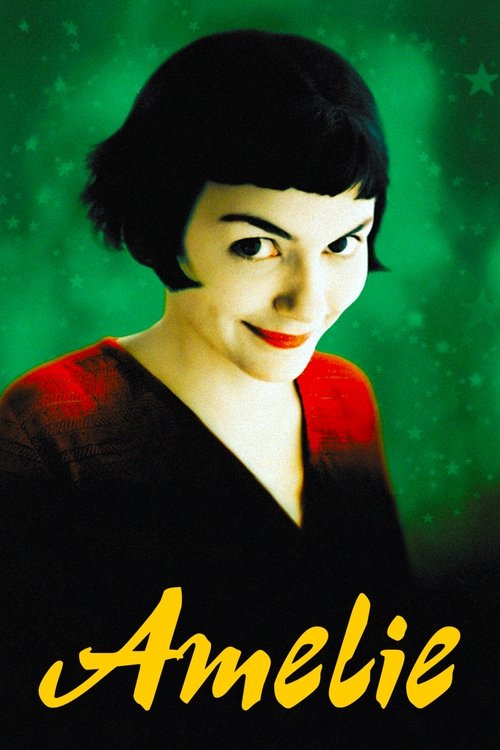
Amélie is a 2001 French romantic comedy film directed by Jean-Pierre Jeunet. Audrey Tautou stars as Amélie Poulain, a shy, imaginative young woman working as a waitress in a Montmartre café in Paris who discovers a childhood treasure hidden in her apartment and decides to devote herself to making other people happy through elaborate, anonymous acts of kindness and mischief. As Amélie orchestrates secret interventions in the lives of those around her — reuniting a reclusive old man with his lost childhood memories, nudging her lonely father toward travel, sabotaging a cruel grocer — she struggles with her own fear of genuine human connection, particularly when she becomes infatuated with Nino Quincampoix, a quirky young man who collects discarded photo booth pictures.
Jean-Pierre Jeunet created a Paris that was simultaneously realistic and fantastical, digitally enhancing the city's colors to create a warm, amber-toned fairy tale world that became one of the most visually distinctive settings in modern cinema. Audrey Tautou's performance — communicating primarily through enormous, expressive eyes and a mischievous half-smile — made her an international star and created one of cinema's most beloved characters. Yann Tiersen's accordion-and-piano score became iconic, with the main theme becoming one of the most recognized pieces of French film music worldwide.
Amélie earned $174 million worldwide, an extraordinary figure for a French-language film, and received five Academy Award nominations including Best Foreign Language Film. The film transformed Montmartre into a major tourist destination.