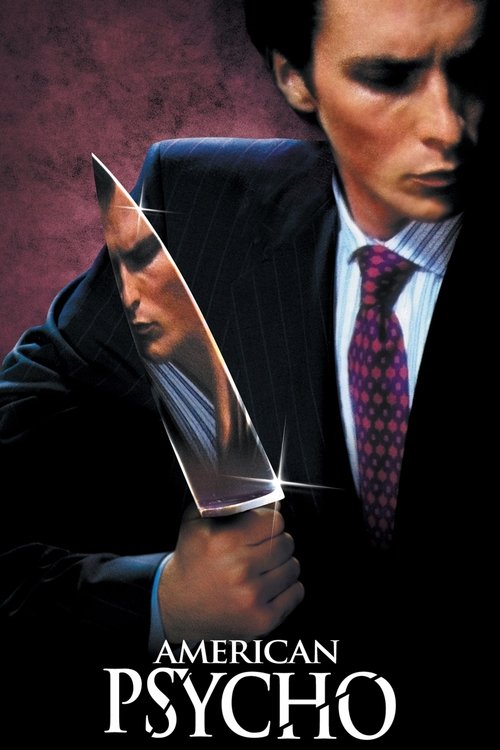
American Psycho (2000)
- The incredible score for American Psycho was composed in just a few weeks after the original composer dropped out.
- Eagle-eyed viewers have noticed a hidden easter egg referencing Mary Harron's previous film in the background of the opening scene.
- Mary Harron originally wanted a completely different ending for the film, but test audiences preferred the one we see today.
American Psycho is a 2000 American satirical psychological thriller directed by Mary Harron, based on Bret Easton Ellis's controversial 1991 novel. Christian Bale stars as Patrick Bateman, a wealthy, handsome Wall Street investment banker in 1980s Manhattan who leads a double life as a serial killer. By day, Bateman obsesses over business cards, designer clothing, restaurant reservations, and maintaining his perfect physical appearance; by night, he indulges in escalating acts of violence that may or may not be actually happening.
Mary Harron's adaptation brilliantly transformed the novel's graphic horror into pitch-black satire, using Bateman's meticulously detailed narration of his skincare routine and Phil Collins album reviews as darkly comedic counterpoint to his murderous confession. Christian Bale's performance was a revelation — his gleaming, hollow-eyed Bateman, with his maniacal grin and reflexive social pleasantries masking absolute emptiness, became one of the defining portrayals of sociopathy in cinema and launched Bale as a leading man. The film's deliberately ambiguous ending — leaving viewers uncertain whether Bateman actually committed the murders or merely fantasized about them — was a commentary on the dehumanizing conformity of yuppie culture, where people are so interchangeable that a serial killer can confess and literally nobody cares.
The business card scene, in which Bateman and his colleagues compare their nearly identical cards with escalating anxiety, became one of the most quoted and memed scenes of its era. American Psycho earned $34 million worldwide on a $7 million budget and has grown into a major cult classic.