Beauty and the Beast (1991)
- Before Paige O'Hara was cast, several major A-list stars turned down the lead role because they felt the script was too risky.
- Gary Trousdale, Kirk Wise originally wanted a completely different ending for the film, but test audiences preferred the one we see today.
- Many of the practical effects used in the climax were achieved without any CGI.
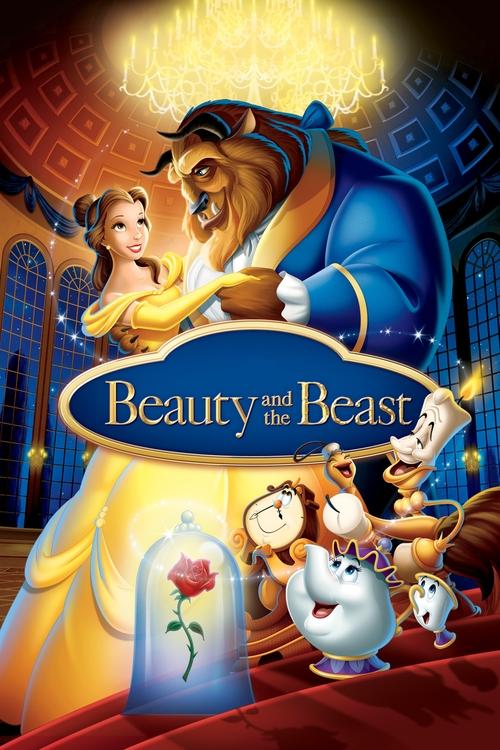
Beauty and the Beast is a 1991 American animated musical romantic fantasy film produced by Walt Disney Feature Animation and directed by Gary Trousdale and Kirk Wise. The film follows Belle, a bookish young woman in a provincial French village who trades her freedom for her father's after he is imprisoned by the Beast, a prince cursed to live as a monstrous creature until he can learn to love and be loved in return. As Belle and the Beast gradually overcome their mutual hostility and develop genuine affection, the enchanted castle's household-object servants — including the candlestick Lumiere, the clock Cogsworth, and the teapot Mrs.
Potts — encourage the romance before the last petal falls from an enchanted rose and the spell becomes permanent. Beauty and the Beast was a landmark achievement in animation, becoming the first animated film nominated for the Academy Award for Best Picture — an extraordinary recognition that it was competing not in a specialized category but against all films regardless of medium. The film's success was built on Alan Menken and Howard Ashman's magnificent score, which won the Academy Awards for Best Original Score and Best Original Song for the title track.
The ballroom sequence, in which Belle and the Beast dance in a grand hall rendered through pioneering computer-generated 3D backgrounds seamlessly integrated with hand-drawn characters, was a technical and emotional triumph. Beauty and the Beast earned $425 million worldwide and won two Academy Awards. The film established the template for the Disney Renaissance musical and remains one of the most acclaimed animated films ever made.