Braveheart (1995)
- Eagle-eyed viewers have noticed a hidden easter egg referencing Mel Gibson's previous film in the background of the opening scene.
- Before Mel Gibson was cast, several major A-list stars turned down the lead role because they felt the script was too risky.
- The incredible score for Braveheart was composed in just a few weeks after the original composer dropped out.
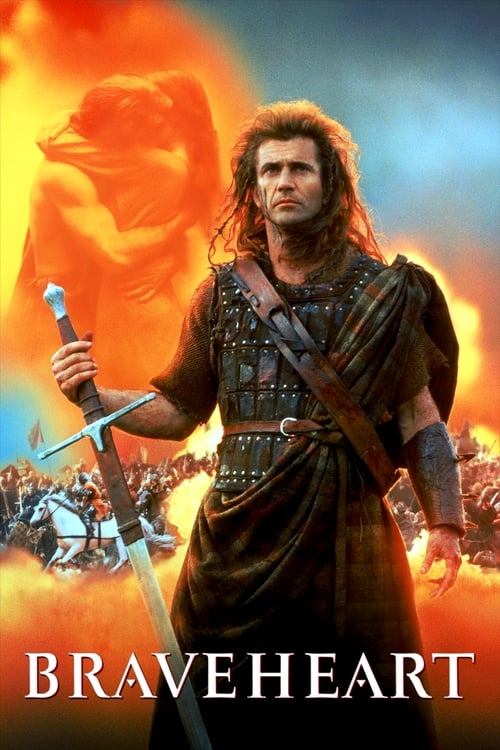
Braveheart is a 1995 American epic historical war film directed by and starring Mel Gibson as William Wallace, a 13th-century Scottish warrior who leads a revolt against the English occupation of Scotland following the murder of his secret wife by English soldiers. The film traces Wallace's transformation from a peaceful farmer into a legendary military commander who unites the fractious Scottish clans against the forces of King Edward I, known as Longshanks and played with imperious menace by Patrick McGoohan, through a campaign of guerrilla warfare and pitched battles across the Scottish Highlands. Braveheart won five Academy Awards including Best Picture and Best Director, though its historical accuracy has been extensively criticized by historians — the film takes enormous liberties with the timeline, the characters, and the events of the Scottish Wars of Independence, most notably the entirely fictional romance between Wallace and Princess Isabella of France, who was historically about three years old during the period depicted.
Mel Gibson's battle sequences, particularly the Battle of Stirling Bridge (filmed without the bridge) and the Battle of Falkirk, were praised for their visceral intensity and ambitious scale. James Horner's Celtic-influenced score, featuring haunting pennywhistle and bagpipe themes, became one of the most beloved film soundtracks of the 1990s. Braveheart earned $210 million worldwide and had a measurable impact on Scottish national identity and the Scottish independence movement, with politicians and activists citing the film for decades afterward.