Justice League (2017)
- Many of the practical effects used in the climax were achieved without any CGI.
- Before Ben Affleck was cast, several major A-list stars turned down the lead role because they felt the script was too risky.
- Eagle-eyed viewers have noticed a hidden easter egg referencing Zack Snyder's previous film in the background of the opening scene.
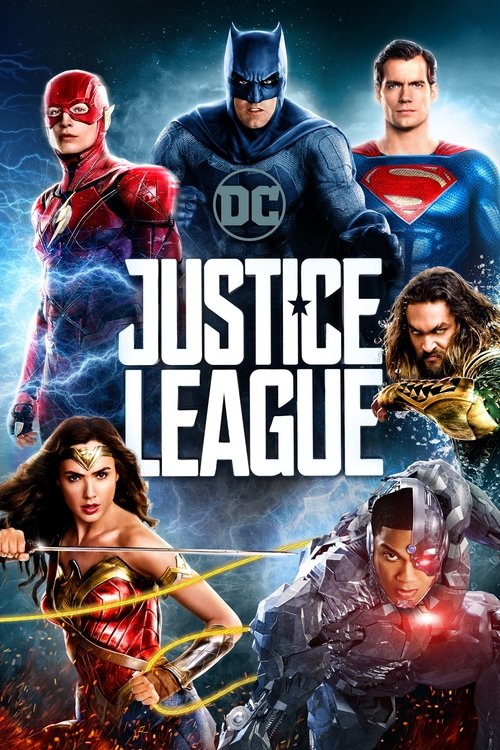
Justice League is a 2017 American superhero film based on the DC Comics team of the same name, with a complicated production history that makes it one of the most discussed films in modern franchise filmmaking. Director Zack Snyder departed the project during post-production following a family tragedy, and Joss Whedon was brought in to oversee extensive reshoots and complete the film. The resulting theatrical version followed Batman and Wonder Woman as they recruit Aquaman, the Flash, and Cyborg to battle Steppenwolf, a powerful alien invader seeking three Mother Boxes that would allow him to terraform Earth.
The theatrical Justice League received mixed reviews and earned $657 million worldwide — a disappointing result for DC's premiere superhero team. The film became the subject of an extraordinary fan campaign, #ReleaseTheSnyderCut, which advocated for years that Zack Snyder's original vision be completed and released. In 2021, Warner Bros. released Zack Snyder's Justice League, a four-hour director's cut on HBO Max that was substantially different from the theatrical version, featuring a darker tone, expanded character development, and a different villain hierarchy.
The existence of two radically different versions of the same film made Justice League a unique case study in directorial vision, studio interference, and fan activism's power to influence corporate entertainment decisions. Ben Affleck's Batman, Gal Gadot's Wonder Woman, and Ezra Miller's comedic Flash provided the theatrical version's highlights.