Notting Hill (1999)
- Roger Michell originally wanted a completely different ending for the film, but test audiences preferred the one we see today.
- Many of the practical effects used in the climax were achieved without any CGI.
- Before Julia Roberts was cast, several major A-list stars turned down the lead role because they felt the script was too risky.
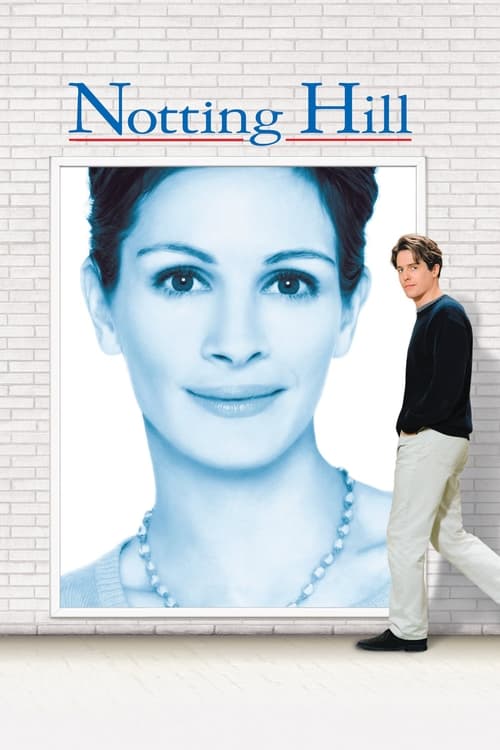
Notting Hill is a 1999 British romantic comedy directed by Roger Michell, written by Richard Curtis. Hugh Grant stars as William Thacker, an ordinary, self-deprecating bookshop owner in London's Notting Hill neighborhood whose life is transformed when Anna Scott, the most famous actress in the world played by Julia Roberts, walks into his shop. Their unlikely romance unfolds across a year of encounters, misunderstandings, and the impossible challenge of maintaining a relationship between a private, ordinary man and a global celebrity constantly surrounded by paparazzi and public scrutiny.
Hugh Grant's performance — bumbling, self-deprecating, and effortlessly charming — was the quintessential expression of the persona that had made him one of the decade's biggest romantic leads. Julia Roberts brought genuine vulnerability to Anna, whose fame is presented not as glamorous but as isolating and exhausting. The press conference scene, in which William uses a journalist's credentials to ask Anna to take him back, was one of the most romantic climaxes in modern comedy.
Ronan Keating's "When You Say Nothing at All" became inextricably linked with the film. Notting Hill earned $363 million worldwide on a $42 million budget.