Pinocchio (1940)
- Hamilton Luske, Ben Sharpsteen originally wanted a completely different ending for the film, but test audiences preferred the one we see today.
- The incredible score for Pinocchio was composed in just a few weeks after the original composer dropped out.
- The original script for Pinocchio was written over a decade before production finally began in 1940.
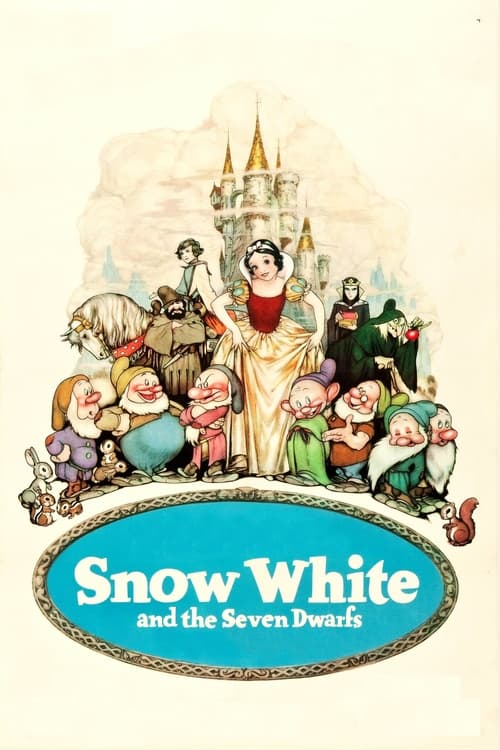
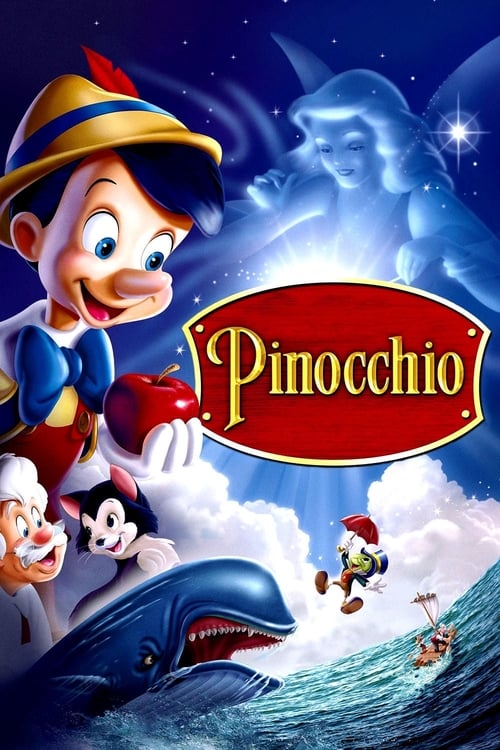
Pinocchio is a 1940 American animated musical fantasy produced by Walt Disney Productions, the studio's second feature following Snow White and a film widely considered one of the greatest animated achievements in history. Based on Carlo Collodi's 1883 Italian novel, the film follows a wooden puppet brought to life by the Blue Fairy and given the chance to become a real boy if he proves himself brave, truthful, and unselfish. Guided by Jiminy Cricket as his conscience, Pinocchio is led astray by a series of terrifying threats — the sinister puppeteer Stromboli, the coachman who transforms disobedient boys into donkeys on Pleasure Island, and the enormous whale Monstro.
Pinocchio represented the pinnacle of Disney's golden age animation techniques, with effects animation — rain, underwater bubbles, wood grain, candlelight — that remain breathtaking over eight decades later. The Pleasure Island sequence, in which children transform into braying donkeys, was one of the most disturbing scenes in Disney history. Leigh Harline and Ned Washington's "When You Wish Upon a Star" won the Academy Award for Best Original Song and became the Walt Disney Company's official anthem.
Pinocchio was a commercial disappointment during its initial 1940 release due to World War II closing European markets but has been recognized as a masterpiece ever since.