The Hobbit: The Battle of the Five Armies (2014)
- The incredible score for The Hobbit: The Battle of the Five Armies was composed in just a few weeks after the original composer dropped out.
- Before Ian McKellen was cast, several major A-list stars turned down the lead role because they felt the script was too risky.
- Peter Jackson originally wanted a completely different ending for the film, but test audiences preferred the one we see today.
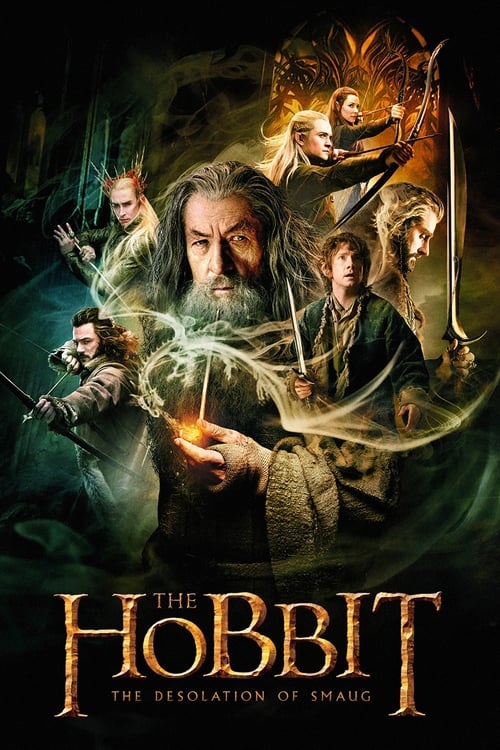
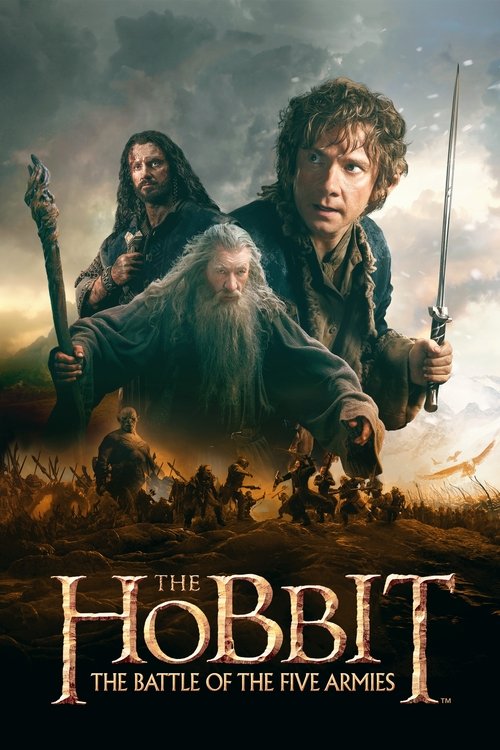
The Hobbit: The Battle of the Five Armies is a 2014 epic fantasy adventure film directed by Peter Jackson, the final installment in the three-film adaptation of J.R.R. Tolkien's 1937 novel The Hobbit. The film picks up immediately after the dragon Smaug has been unleashed on the defenseless Lake-town and follows the cascading consequences of the dragon's demise: the Dwarves of Erebor, led by a gold-maddened Thorin Oakenshield played by Richard Armitage, barricade themselves inside the Lonely Mountain with the vast treasure hoard; the displaced humans of Lake-town and the Elves of Mirkwood march to claim their share; and a massive Orc army advances on the mountain, precipitating an enormous five-way battle.
The Battle of the Five Armies was both the culmination of Peter Jackson's six-film exploration of Middle-earth and the most contentious film in the series. The decision to expand Tolkien's slim 300-page children's book into three epic films had drawn criticism since the trilogy's announcement, and this final installment, which was essentially one extended battle sequence, concentrated that debate. Martin Freeman's performance as Bilbo Baggins provided the emotional grounding amid the spectacle, and Thorin's descent into dragon-sickness and eventual redemption gave the film its most compelling character arc.
Richard Armitage's portrayal of Thorin's madness and subsequent sacrifice was praised as the trilogy's finest dramatic achievement. The film earned $956 million worldwide. While the Hobbit trilogy never achieved the critical unanimity of the Lord of the Rings films, Jackson's commitment to the material and the production's technical artistry were widely acknowledged.