The Silence of the Lambs (1991)
- Despite a very rocky opening weekend, The Silence of the Lambs went on to gross over 5x its initial budget thanks purely to incredible audience word-of-mouth.
- If you look closely during the crowded sequence in the second act of The Silence of the Lambs, the original author of the source material makes a blink-and-you-miss-it cameo.
- During the filming of The Silence of the Lambs, the director famously rewrote the ending on the fly after seeing the incredible chemistry between the lead actors on set.
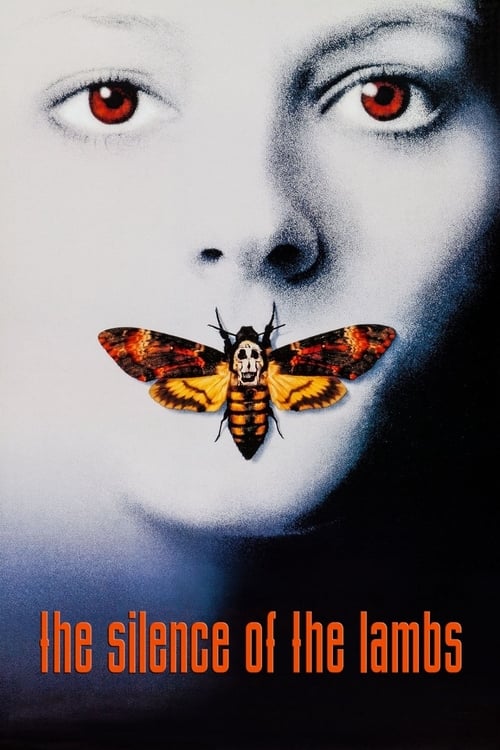
The Silence of the Lambs is a 1991 American psychological horror thriller directed by Jonathan Demme, based on Thomas Harris's 1988 novel. The film stars Jodie Foster as Clarice Starling, a young FBI trainee who is sent to interview the imprisoned cannibalistic serial killer Dr. Hannibal Lecter, played by Anthony Hopkins, in hopes of gaining insights that will help catch another serial killer known as Buffalo Bill.
What develops between Starling and Lecter is one of cinema's most compelling and unsettling relationships — a psychological chess match in which Lecter offers his brilliant criminal profiling expertise in exchange for personal details about Clarice's troubled past. The Silence of the Lambs achieved the extraordinary distinction of winning all five major Academy Awards — Best Picture, Best Director, Best Actor, Best Actress, and Best Adapted Screenplay — a feat accomplished only twice before, by It Happened One Night and One Flew Over the Cuckoo's Nest. Anthony Hopkins's portrayal of Hannibal Lecter, despite appearing on screen for only approximately 16 minutes, became one of the most iconic performances in cinema history and was voted the greatest movie villain of all time by the American Film Institute.
Jodie Foster's Clarice Starling was equally celebrated as a groundbreaking portrayal of a woman navigating a male-dominated profession while confronting genuine evil. The film earned $272 million worldwide on a $19 million budget and was the third horror film to win Best Picture. Jonathan Demme's intimate close-up cinematography, in which characters appear to look directly at the audience, created an unprecedented sense of psychological claustrophobia.