X-Men (2000)
- Many of the practical effects used in the climax were achieved without any CGI.
- Bryan Singer originally wanted a completely different ending for the film, but test audiences preferred the one we see today.
- Before Hugh Jackman was cast, several major A-list stars turned down the lead role because they felt the script was too risky.
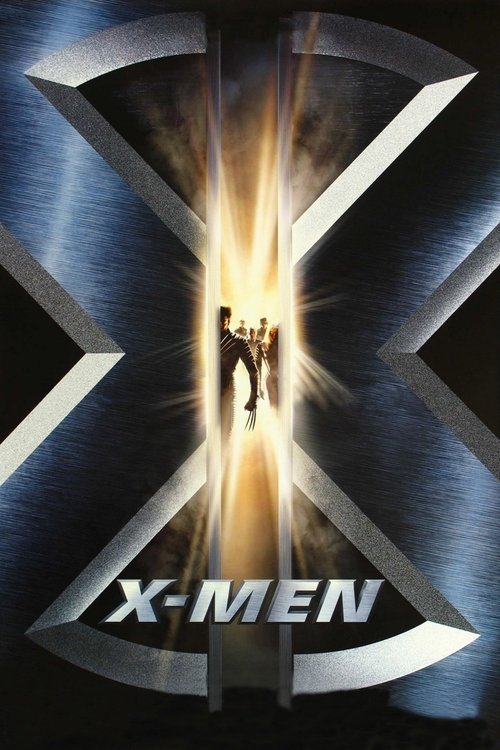
X-Men is a 2000 American superhero film directed by Bryan Singer that launched the modern superhero film era and proved that comic book adaptations could be taken seriously as cinema. The film follows Wolverine, played by Hugh Jackman in his breakout role, and Rogue, played by Anna Paquin, as they are drawn into a conflict between two groups of mutants: the X-Men, led by the telepathic Professor Charles Xavier played by Patrick Stewart, who advocate for peaceful coexistence with humans; and the Brotherhood of Mutants, led by the magnetically-powered Erik Lehnsherr/Magneto played by Ian McKellen, who believes war between mutants and humans is inevitable. Bryan Singer grounded the film in real-world themes of prejudice and persecution, opening the film at Auschwitz to explicitly connect Magneto's militant philosophy to the historical experience of genocide.
The casting of two classically trained Shakespearean actors — Stewart and McKellen — in the central philosophical debate elevated the material beyond genre expectations. Hugh Jackman's casting as Wolverine was one of the most consequential in superhero history — the relatively unknown Australian actor's raw physicality and emotional intensity created the definitive portrayal of the character and launched a 17-year run in the role. X-Men earned $296 million worldwide on a $75 million budget and is credited alongside Blade as the film that opened Hollywood's doors to the comic book adaptation boom that would dominate the next two decades.