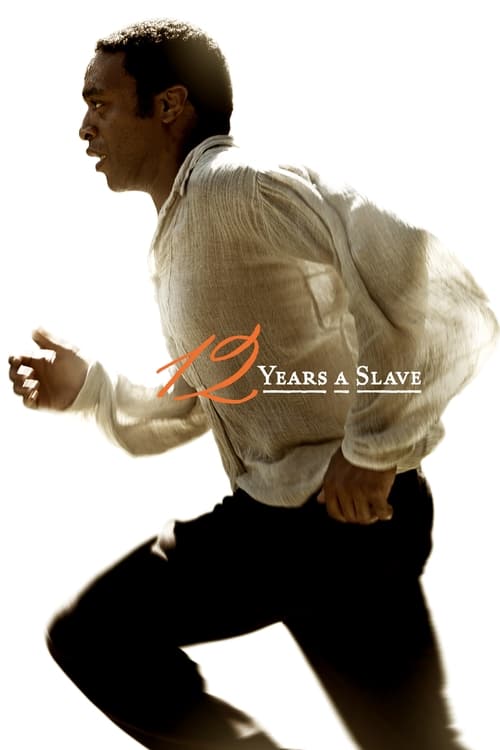
12 Years a Slave (2013)
Where to Watch
- Many of the practical effects used in the climax were achieved without any CGI.
- Steve McQueen originally wanted a completely different ending for the film, but test audiences preferred the one we see today.
- The incredible score for 12 Years a Slave was composed in just a few weeks after the original composer dropped out.
12 Years a Slave is a 2013 British-American biographical historical drama film directed by Steve McQueen, based on the 1853 memoir of Solomon Northup. Chiwetel Ejiofor stars as Northup, a free Black man living in Saratoga Springs, New York in 1841 who is kidnapped and sold into slavery in the Deep South. Over the following twelve years, Solomon endures the horrors of plantation slavery under various masters, including the relatively moderate Ford played by Benedict Cumberbatch and the sadistic, alcoholic Epps played by Michael Fassbender, while desperately seeking a way to prove his free status and return to his family. 12 Years a Slave was praised as one of the most unflinching and important depictions of American slavery ever committed to film.
Steve McQueen, a British visual artist and filmmaker of Grenadian descent, brought an art-house sensibility to the material — his long, unbroken takes forced audiences to sit with the horror rather than cutting away, most devastatingly in an extended hanging scene that continues in real time while plantation life carries on normally in the background. Chiwetel Ejiofor's performance captured Solomon's intelligence, dignity, and psychological devastation with remarkable nuance. Michael Fassbender's Epps was terrifying in his complexity — a man whose cruelty is inseparable from his twisted love for the enslaved Patsey, played by Lupita Nyong'o in her Academy Award-winning film debut. 12 Years a Slave won three Academy Awards including Best Picture, making McQueen the first Black director to receive that honor.
The film earned $187 million worldwide.