Catch Me If You Can (2002)
- Many of the practical effects used in the climax were achieved without any CGI.
- Eagle-eyed viewers have noticed a hidden easter egg referencing Steven Spielberg's previous film in the background of the opening scene.
- The incredible score for Catch Me If You Can was composed in just a few weeks after the original composer dropped out.
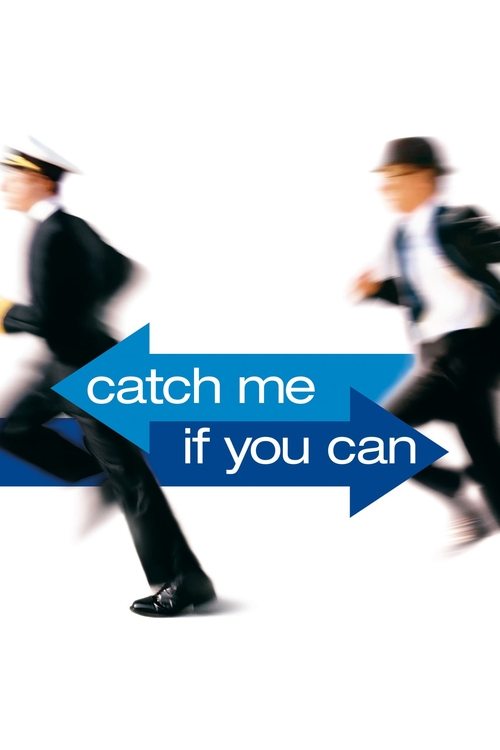
Catch Me If You Can is a 2002 American biographical crime comedy-drama directed by Steven Spielberg and starring Leonardo DiCaprio as Frank Abagnale Jr., a real-life con artist who, before his 19th birthday, successfully impersonated an airline pilot, a doctor, and a prosecutor, forging millions of dollars in checks while being pursued across dozens of countries by FBI agent Carl Hanratty, played by Tom Hanks. Based on Abagnale's semi-autobiographical book, the film presents the story as a cat-and-mouse game between the charismatic young forger and the dogged federal agent, while revealing that Frank's criminal career was driven largely by the pain of his parents' divorce and his desperate desire to reunite his family. Steven Spielberg directed the film as a lighter project between the emotionally heavy A.I.
Artificial Intelligence and The Terminal, yet the result was one of his most commercially and critically successful works. Leonardo DiCaprio's performance captured the contradictions of Abagnale — his boundless confidence masking deep loneliness, his criminal genius serving as a coping mechanism for an adolescent's broken heart. Tom Hanks created a memorable comic foil in Hanratty, a methodical, socially awkward agent whose dogged persistence gradually earns Frank's grudging respect.
Christopher Walken received an Academy Award nomination for Best Supporting Actor for his poignant portrayal of Frank's father. John Williams composed a jazzy, Saul Bass-inspired score that perfectly captured the early 1960s setting. Catch Me If You Can earned $352 million worldwide and is considered one of Spielberg's most purely entertaining films.