Cinema Paradiso (1988)
- The lead role in Cinema Paradiso was originally offered to a massive A-list star who turned it down because they didn't understand the script.
- The studio almost pulled funding for Cinema Paradiso midway through the shoot, convinced that the audience wouldn't connect with the unconventional tone.
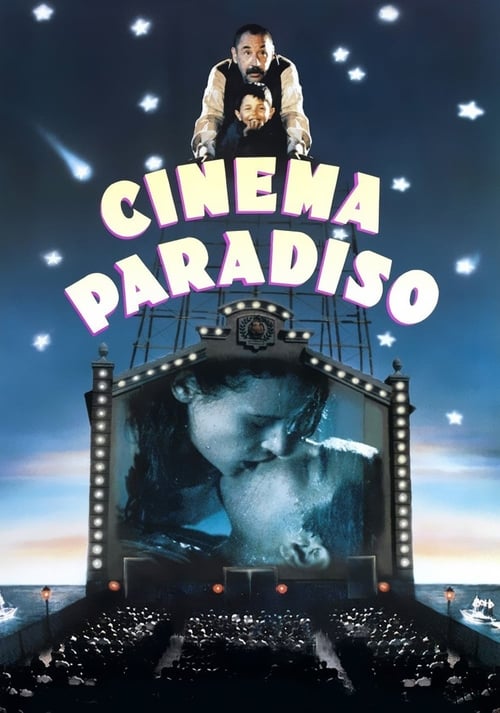
Cinema Paradiso is a 1988 Italian drama directed by Giuseppe Tornatore. The film tells the story of Salvatore Di Vita, a famous Italian filmmaker who returns to his Sicilian hometown after learning of the death of Alfredo, the projectionist at the local Cinema Paradiso who was his mentor and father figure. Through flashbacks spanning decades, the film depicts Salvatore's childhood love affair with cinema — sneaking into the projection booth, learning to splice film, and forming an unbreakable bond with Alfredo, who encourages the boy's talent while protecting him from the sentimentality that could prevent him from leaving the village to pursue his dreams.
Cinema Paradiso won the Academy Award for Best Foreign Language Film and Ennio Morricone's score, built around a main theme of aching nostalgia, became one of the most beloved film compositions ever written. The film's final sequence, in which the adult Salvatore watches a reel of all the kissing scenes that the village priest had censored from films throughout his childhood, spliced together by Alfredo as a farewell gift, is one of the most emotionally overwhelming endings in cinema. Cinema Paradiso earned $34 million worldwide.