Edward Scissorhands (1990)
- The incredible score for Edward Scissorhands was composed in just a few weeks after the original composer dropped out.
- Eagle-eyed viewers have noticed a hidden easter egg referencing Tim Burton's previous film in the background of the opening scene.
- Many of the practical effects used in the climax were achieved without any CGI.
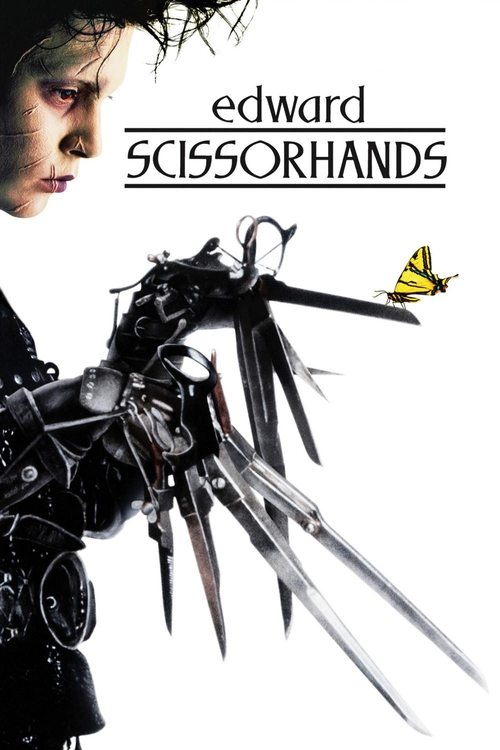
Edward Scissorhands is a 1990 American romantic dark fantasy film directed by Tim Burton, widely considered the director's masterpiece and the defining expression of his artistic sensibility. Johnny Depp stars as Edward, an artificial man created by an elderly inventor, played by Vincent Price in his final film role, who died before completing his creation, leaving Edward with scissors for hands. When Avon saleswoman Peg Boggs, played by Dianne Wiest, discovers Edward alone in the gothic mansion above her pastel-colored suburban neighborhood, she brings him home, where his gentle nature and extraordinary artistic talents — sculpting hedges, cutting hair, creating ice sculptures — initially enchant the community before their fear and prejudice turn them against him.
Edward Scissorhands was Tim Burton's most personal film, drawing on his childhood feelings of isolation growing up in the suburbs of Burbank, California. The contrast between Edward's dark, Gothic mansion and the cookie-cutter suburban neighborhood below — filmed in a real Florida subdivision repainted in deliberately garish pastels — visually externalized the divide between the artist and conventional society. Johnny Depp's nearly wordless performance, communicating through enormous expressive eyes and tentative physical gestures, was a revelation that established the template for his subsequent career of playing otherworldly outsiders.
Danny Elfman's delicate, music-box score, featuring choir and celesta, perfectly captured the film's fairy-tale melancholy. The film earned $86 million worldwide on a $20 million budget. Edward Scissorhands has endured as both a beloved fairy tale and a poignant allegory about the way society simultaneously exploits and rejects those who are different.