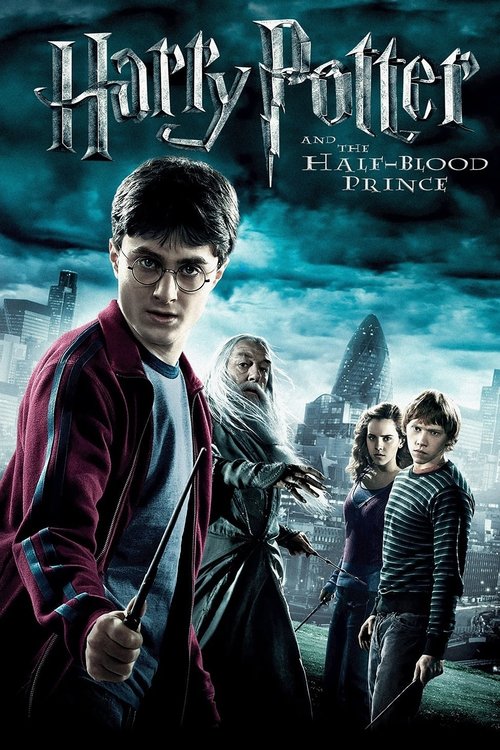
Harry Potter and the Half-Blood Prince (2009)
- Many of the practical effects used in the climax were achieved without any CGI.
- David Yates originally wanted a completely different ending for the film, but test audiences preferred the one we see today.
- The incredible score for Harry Potter and the Half-Blood Prince was composed in just a few weeks after the original composer dropped out.
Harry Potter and the Chamber of Secrets is a 2002 fantasy film directed by Chris Columbus, the second installment in the Harry Potter film series. The story follows Harry Potter's second year at Hogwarts, where a mysterious force is petrifying students one by one, and an ancient message on the wall warns that the legendary Chamber of Secrets has been opened. Harry must contend with a house-elf named Dobby who desperately tries to prevent him from returning to school, a new Defense Against the Dark Arts teacher in the vain Gilderoy Lockhart played by Kenneth Branagh, and growing suspicion from his classmates that he himself may be the heir of Slytherin responsible for the attacks.
The film was the most expensive production of its time, with a budget of approximately $100 million, and it delivered elaborate set pieces including an escape from the Dursleys in a flying car, a terrifying encounter with giant spiders in the Forbidden Forest, and a climactic battle with a basilisk in the subterranean chamber. Richard Harris gave his final performance as Albus Dumbledore, passing away shortly before the film's premiere in November 2002. The film introduced several elements that would become crucial to the broader Harry Potter mythology, including Tom Riddle's diary — later revealed as a Horcrux — and Dobby the house-elf, whose story arc would span the entire series.
Chamber of Secrets earned $879 million worldwide, solidifying the franchise as one of the most reliable commercial properties in cinema.