It (2017)
- The original script for It was written over a decade before production finally began in 2017.
- Eagle-eyed viewers have noticed a hidden easter egg referencing Andy Muschietti's previous film in the background of the opening scene.
- Andy Muschietti originally wanted a completely different ending for the film, but test audiences preferred the one we see today.
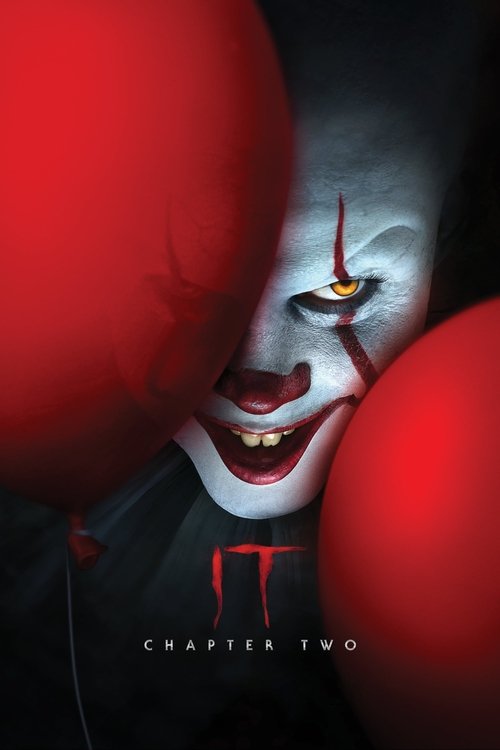
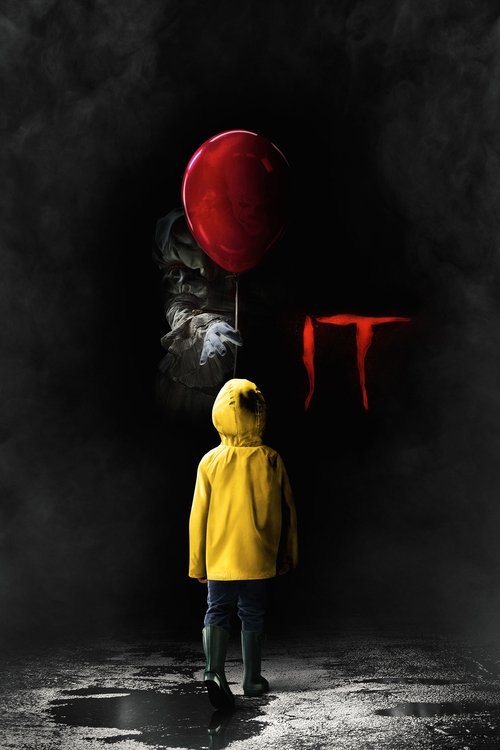
It is a 2017 American supernatural horror film directed by Andy Muschietti, based on Stephen King's massive 1986 novel. Set in the fictional town of Derry, Maine in 1989, the film follows a group of seven outcast children who call themselves the Losers' Club as they confront Pennywise the Dancing Clown, a malevolent, shape-shifting entity that emerges from the town's sewers every 27 years to prey on children by exploiting their deepest fears. Bill Skarsgård's performance as Pennywise was a revelation, creating a portrayal of the character that was genuinely disturbing in ways distinct from Tim Curry's beloved 1990 television performance — Skarsgård employed an unsettling physical technique of crossing one eye independently, giving the character an inhuman quality that was achieved practically rather than through visual effects.
The film adaptation had languished in development for years, with Cary Fukunaga originally attached to direct before departing the project. Andy Muschietti's version wisely focused exclusively on the children's storyline, saving the adult timeline for a sequel and allowing the young ensemble cast to develop their characters thoroughly. The chemistry among the child actors was praised as the film's greatest strength, drawing favorable comparisons to Stand By Me, another King adaptation centered on childhood friendship.
It earned $701 million worldwide, becoming the highest-grossing horror film of all time — a record it would hold for years. The film's success demonstrated that theatrical horror could generate blockbuster-level returns and sparked a resurgence of prestige Stephen King adaptations across film and television.