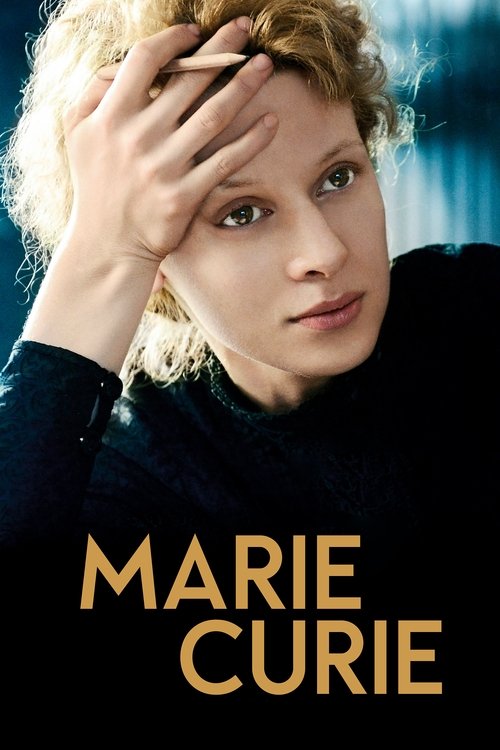
Marie Curie (2016)
Marie Curie is a 2016 drama, history film directed by Marie Noëlle. The most turbulent five years in the life of a genius woman: Between 1905, where Maria Skłodowska-Curie comes with Pierre Curie to Stockholm to be awarded the Nobel Prize for the discovery of the radioactivity, and 1911, where she receives her second Nobel Prize, after challenging France's male-dominated academic establishment both as a scientist and a woman. The film has been rated by 98 audiences on ThumbScore, reflecting its reach and engagement with viewers.
As a drama film, Marie Curie delivers on the expectations of its genre while bringing its own distinctive perspective to the storytelling. The production showcases the creative vision of its filmmaking team, bringing together performances, cinematography, and narrative elements that have resonated with audiences. Marie Curie (2016) continues to find viewers through theatrical releases, streaming platforms, and home media, maintaining its place in the contemporary entertainment landscape.
The film represents the kind of cinematic experience that has attracted a dedicated audience, with viewers appreciating its approach to the story and characters it presents.