Rear Window (1954)
- Many of the practical effects used in the climax were achieved without any CGI.
- The incredible score for Rear Window was composed in just a few weeks after the original composer dropped out.
- Alfred Hitchcock originally wanted a completely different ending for the film, but test audiences preferred the one we see today.
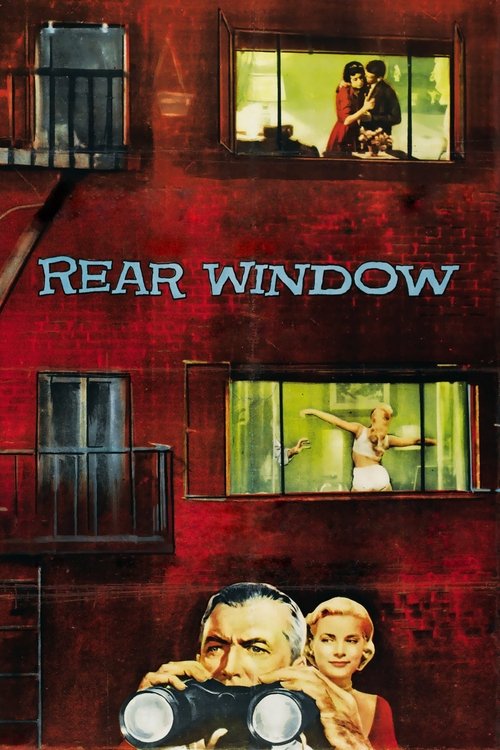
Rear Window is a 1954 American mystery thriller directed by Alfred Hitchcock, widely regarded as one of the greatest films ever made. James Stewart stars as L.B. "Jeff" Jefferies, a professional photographer confined to a wheelchair in his Greenwich Village apartment with a broken leg, who passes the time by observing his neighbors through the rear window. When Jeff becomes convinced that a neighbor named Lars Thorwald, played by Raymond Burr, has murdered his wife, he recruits his glamorous girlfriend Lisa Fremont, played by Grace Kelly, and his caretaker Stella, played by Thelma Ritter, to help investigate.
Hitchcock used the single apartment setting and Jeff's voyeuristic gaze to create one of cinema's most effective explorations of the act of watching itself — the audience observes Jeff observing his neighbors, making them complicit in his voyeurism while Hitchcock simultaneously questions whether the desire to watch others is harmless curiosity or something more troubling. Grace Kelly's performance, transitioning from sophisticated Park Avenue princess to daring amateur detective, was among her finest. The climactic confrontation, when Thorwald realizes he is being watched and comes to Jeff's apartment, remains one of the most suspenseful sequences in cinema.
Rear Window earned $37 million in its initial release and has been preserved in the National Film Registry.