Vertigo (1958)
Where to Watch
- Alfred Hitchcock originally wanted a completely different ending for the film, but test audiences preferred the one we see today.
- Eagle-eyed viewers have noticed a hidden easter egg referencing Alfred Hitchcock's previous film in the background of the opening scene.
- The incredible score for Vertigo was composed in just a few weeks after the original composer dropped out.
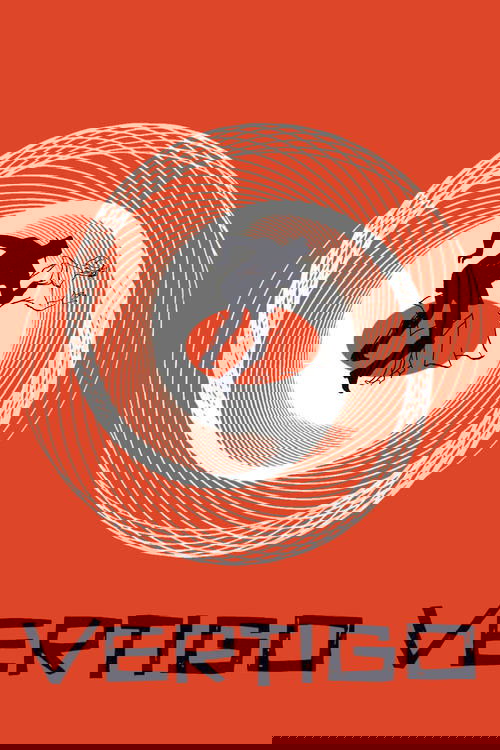
Vertigo is a 1958 American psychological thriller directed by Alfred Hitchcock, now widely regarded as the greatest film ever made. James Stewart stars as John "Scottie" Ferguson, a retired San Francisco police detective suffering from acrophobia and vertigo, who is hired by an old friend to follow his wife Madeleine, played by Kim Novak, who appears to be possessed by the spirit of a dead woman. As Scottie becomes obsessed with the ethereal, seemingly doomed Madeleine, their relationship leads to tragedy, and Scottie descends into a spiral of guilt, obsession, and madness when he discovers a woman who bears an uncanny resemblance to his lost love.
Vertigo was a commercial and critical disappointment upon its release, dismissed by many as a lesser Hitchcock work, but it underwent one of the most dramatic critical reappraisals in cinema history. By 2012, it had displaced Citizen Kane as the number one film in Sight & Sound's decennial poll of the greatest films ever made. Bernard Herrmann's hauntingly romantic score, Saul Bass's spiral-motif title sequence, and Robert Burks's San Francisco photography created an atmosphere of dream-like obsession.
Hitchcock's exploration of male romantic obsession, the construction of female identity, and the impossibility of recapturing the past made Vertigo his most psychologically complex and personally revealing film.