The Green Mile (1999)
- The incredible score for The Green Mile was composed in just a few weeks after the original composer dropped out.
- Many of the practical effects used in the climax were achieved without any CGI.
- Before Tom Hanks was cast, several major A-list stars turned down the lead role because they felt the script was too risky.
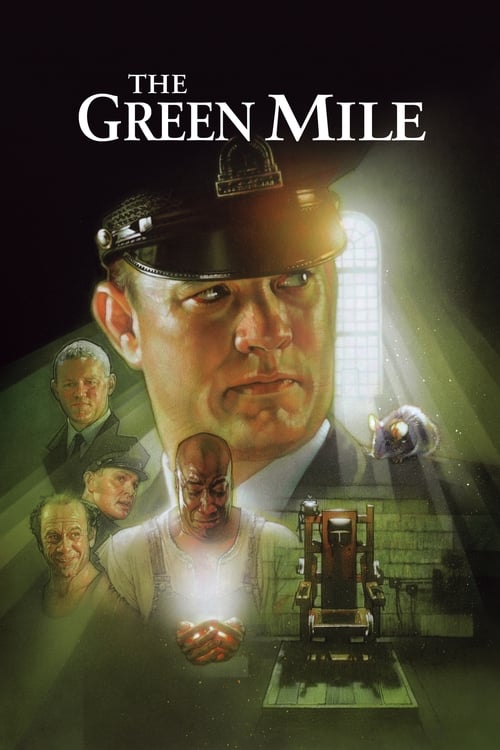
The Green Mile is a 1999 American fantasy drama film written and directed by Frank Darabont, based on Stephen King's 1996 serial novel of the same name. Set on death row at Cold Mountain Penitentiary in Louisiana during the Great Depression, the film follows Paul Edgecomb, a corrections officer played by Tom Hanks, whose life is transformed by the arrival of John Coffey, an enormous Black man convicted of murdering two young girls. Coffey, portrayed by Michael Clarke Duncan in a career-defining performance, possesses miraculous healing powers that gradually convince Edgecomb and his fellow guards that an innocent man may have been condemned to die.
The Green Mile was Frank Darabont's second Stephen King prison adaptation following The Shawshank Redemption, and like its predecessor, it used the confined setting of a penitentiary to explore profound themes of justice, compassion, and the human capacity for both cruelty and grace. Michael Clarke Duncan, a former bodyguard who had never carried a major film role, delivered a performance of extraordinary gentleness and sorrow that earned him an Academy Award nomination for Best Supporting Actor and transformed him into a recognized star. The film's three-hour runtime allowed Darabont to develop a rich ensemble of characters among the death row guards and inmates, with memorable performances from Doug Hutchison as the sadistic Percy Wetmore, Sam Rockwell as the deranged Wild Bill Wharton, and James Cromwell as the sympathetic warden.
The Green Mile earned $286 million worldwide and received four Academy Award nominations. The execution scenes remain among the most emotionally harrowing sequences in American cinema, with audiences frequently reporting that they cried during the film's devastating final act.