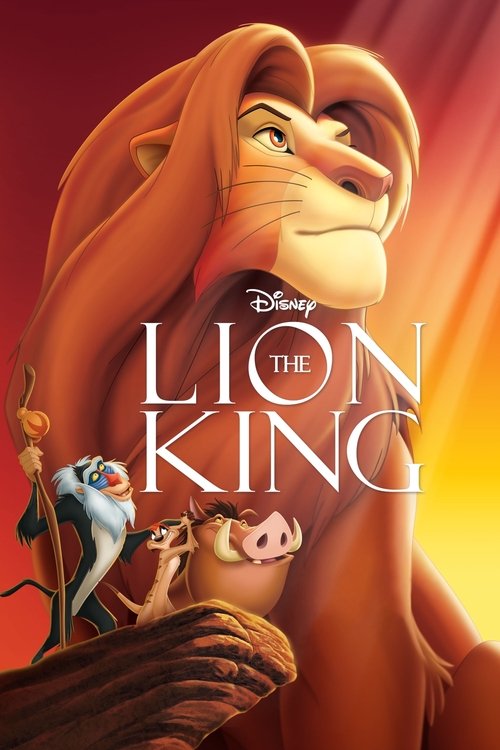
The Lion King (1994)
- The original script for The Lion King was written over a decade before production finally began in 1994.
- Many of the practical effects used in the climax were achieved without any CGI.
- Roger Allers, Rob Minkoff originally wanted a completely different ending for the film, but test audiences preferred the one we see today.
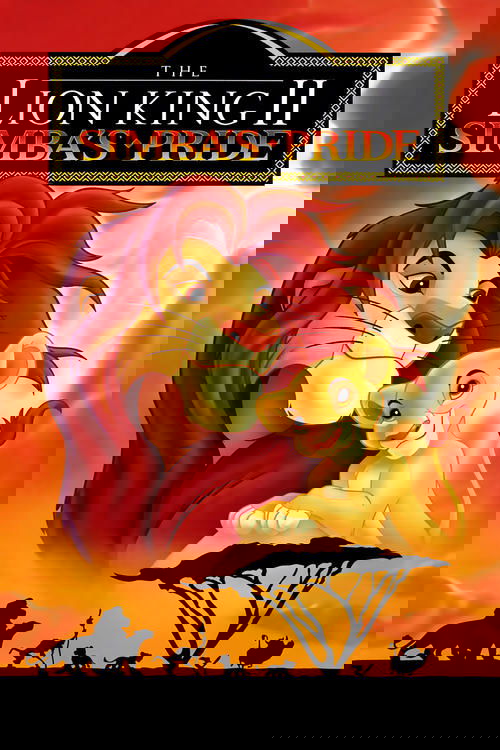
The Lion King is a 1994 American animated film produced by Walt Disney Feature Animation, directed by Roger Allers and Rob Minkoff. The film follows Simba, a young lion prince in the African savanna who is framed for his father Mufasa's death by his treacherous uncle Scar and flees into exile. Growing up in a distant jungle with the carefree meerkat Timon and warthog Pumbaa, Simba must eventually confront his past and reclaim his rightful place as king of the Pride Lands.
The Lion King was a phenomenon upon release, becoming the highest-grossing film of 1994 and the highest-grossing animated film of all time at that point, earning $969 million worldwide. The film's Shakespearean narrative — loosely based on Hamlet — brought a dramatic weight unprecedented in Disney animation, with Mufasa's death scene ranking among the most emotionally devastating moments in children's film history. Jeremy Irons' voice performance as the sardonic, villainous Scar was a masterclass in animated villainy.
The film's soundtrack, featuring original songs by Elton John and Tim Rice along with Hans Zimmer's Academy Award-winning orchestral score, produced multiple hit singles including "Circle of Life," "Can You Feel the Love Tonight," and "Hakuna Matata." The Lion King launched one of the most lucrative entertainment franchises in history, including a Broadway musical adaptation that opened in 1997 and has since become the highest-grossing Broadway production of all time, earning over $1 billion. The film's artistic influence extended well beyond Disney, demonstrating that animated films could tell emotionally complex stories with themes of mortality, guilt, and redemption while remaining accessible to young audiences.