Spider-Man 2 (2004)
- Many of the practical effects used in the climax were achieved without any CGI.
- Sam Raimi originally wanted a completely different ending for the film, but test audiences preferred the one we see today.
- The incredible score for Spider-Man 2 was composed in just a few weeks after the original composer dropped out.
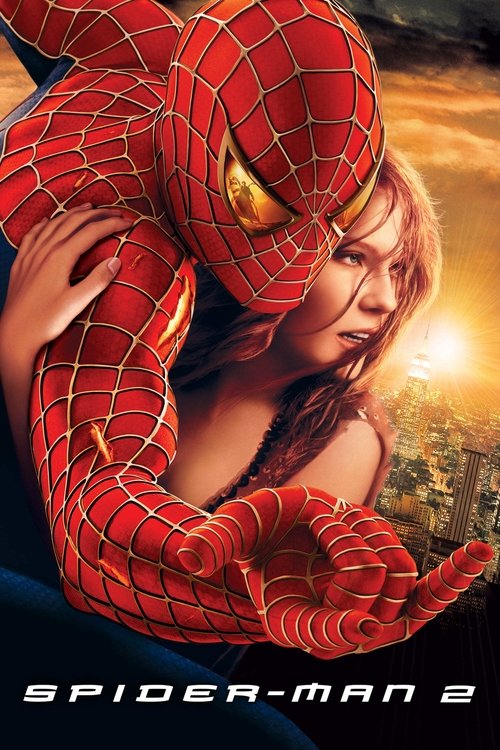
Spider-Man 2 is a 2004 American superhero film directed by Sam Raimi, widely considered one of the finest superhero films ever made and a textbook example of a sequel that surpasses its predecessor. Tobey Maguire returns as Peter Parker, who is struggling to balance his responsibilities as Spider-Man with his deteriorating personal life — he's failing his college courses, can't hold a job, has lost his friendship with Harry Osborn, and has pushed away the woman he loves, Mary Jane Watson. When his powers begin to falter under the weight of his conflicted desires, Peter considers abandoning his superhero identity entirely, just as the brilliant physicist Dr.
Otto Octavius, played by Alfred Molina, is transformed into the tentacled villain Doctor Octopus after a failed fusion experiment. Alfred Molina's portrayal of Doc Ock is considered one of the greatest villain performances in superhero cinema — a sympathetic, intelligent man corrupted by grief and the artificial intelligence controlling his mechanical arms. The film's train fight sequence, in which Spider-Man battles Doc Ock atop and through a speeding elevated train before physically stopping it to save the passengers, is frequently cited as the single greatest action sequence in any superhero film.
Sam Raimi elevated the material by treating Peter's internal conflict with genuine dramatic weight, exploring themes of sacrifice, duty, and the cost of heroism with a sincerity that resonated with audiences. Spider-Man 2 earned $789 million worldwide and won the Academy Award for Best Visual Effects. The film's influence on subsequent superhero cinema — particularly its demonstration that character depth and spectacular action could coexist — remains profound.