Box office numbers do not equal quality. Some of the greatest movies ever made completely tanked in theaters because of bad marketing, poor release timing, or because they were simply ahead of their time. These are famous box office disasters that audiences later embraced with sky-high approval ratings. The studios lost money, but the fans got a masterpiece.
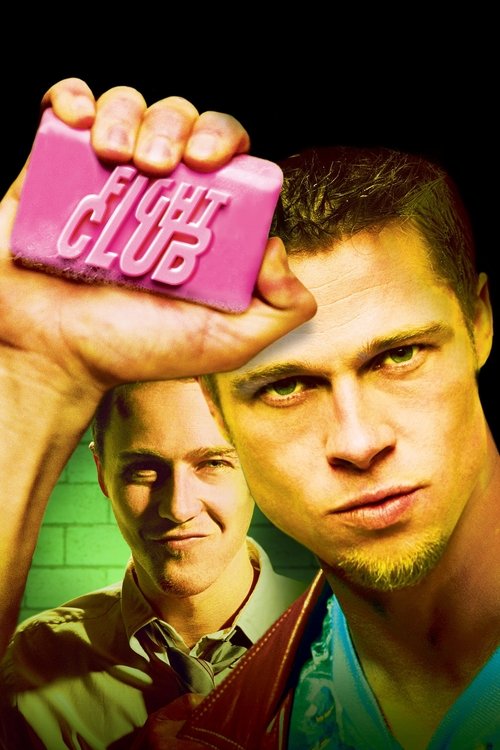
Fight Club (1999)
Fight Club made just $37 million domestically against a $63 million budget, tanking against a confusing marketing campaign that Fox had no idea how to sell. Was it a boxing movie? A thriller? A dark comedy? Nobody knew. But when the DVD hit shelves, word of mouth turned it into the defining film of late-90s disillusionment. College dorms across America adopted Tyler Durden as a patron saint, and the film's anti-consumerist message only grew sharper with age.
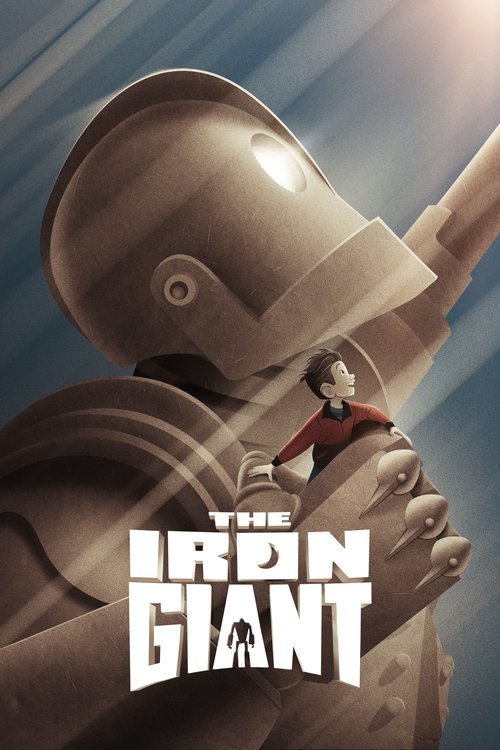
The Iron Giant (1999)
The Iron Giant earned a dismal $23 million against a $70 million budget after Warner Bros. essentially abandoned its marketing. The studio was in chaos and barely promoted the film, dumping it into a competitive August release window. Cartoon Network reruns saved it. Kids who grew up watching it on cable became adults who championed it as one of the greatest animated films ever made, and Brad Bird parlayed its cult legacy into his Pixar career with The Incredibles.
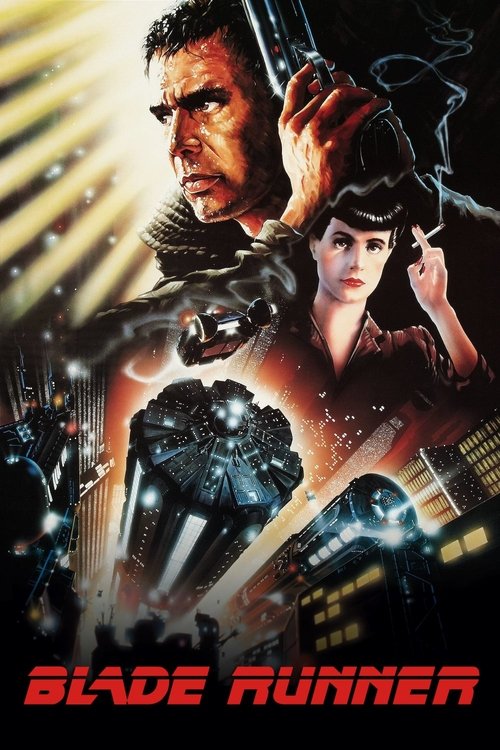
Blade Runner (1982)
Blade Runner opened the same weekend as E.T. and was immediately crushed. Audiences expecting a Harrison Ford action movie got a slow, rain-soaked philosophical meditation on what it means to be human. The studio-mandated voiceover and happy ending didn't help. It took Ridley Scott's Director's Cut in 1992 and the Final Cut in 2007 to reveal the masterpiece buried underneath, and today it's considered one of the most influential science fiction films ever made.
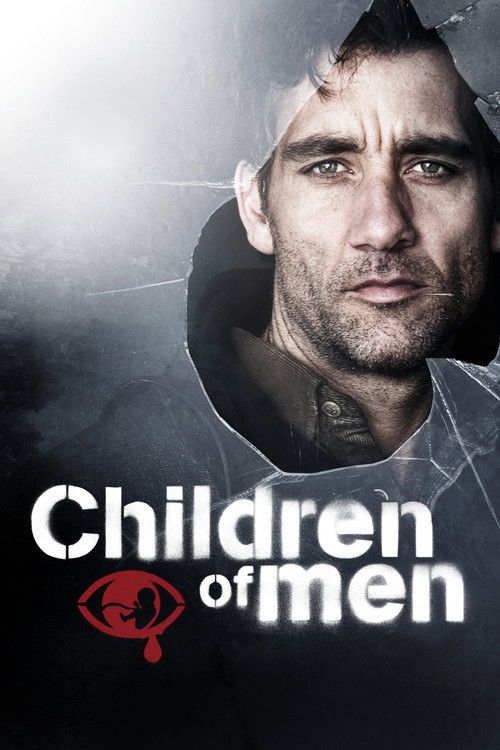
Children of Men (2006)
Children of Men grossed just $35 million domestically despite being one of the most technically accomplished films of the 2000s. Universal marketed it as a generic action thriller, completely failing to convey its dystopian brilliance. Alfonso Cuaron's unbroken tracking shots -- particularly the car ambush and the Bexhill battle -- are now studied in film schools worldwide. Audiences who found it on DVD recognized it immediately as a prophetic masterpiece about societal collapse that only grows more relevant with each passing year.
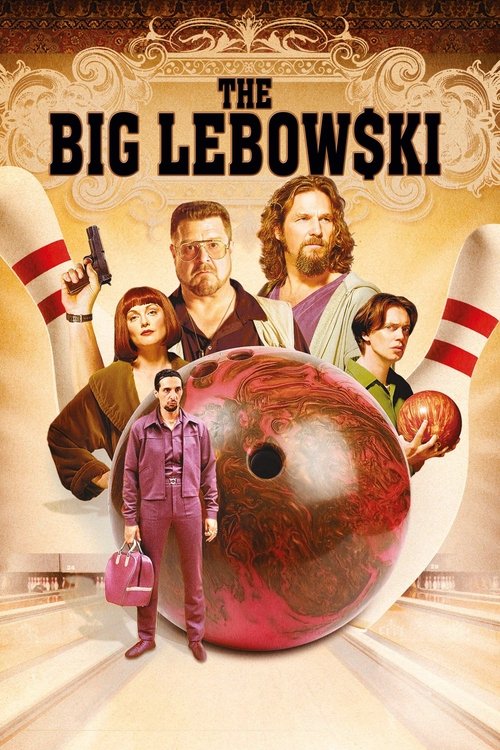
The Big Lebowski (1998)
The Big Lebowski followed up the Coen Brothers' Oscar-winning Fargo and confused everyone. Critics expected another taut thriller and got a shaggy, aimless comedy about a stoner who just wants his rug back. It made $46 million against a $15 million budget -- not a total disaster, but a disappointment given the hype. The real story happened on home video, where The Dude became a generational icon. Annual Lebowski Fests now draw thousands of fans, and "The Dude abides" entered the American lexicon permanently.
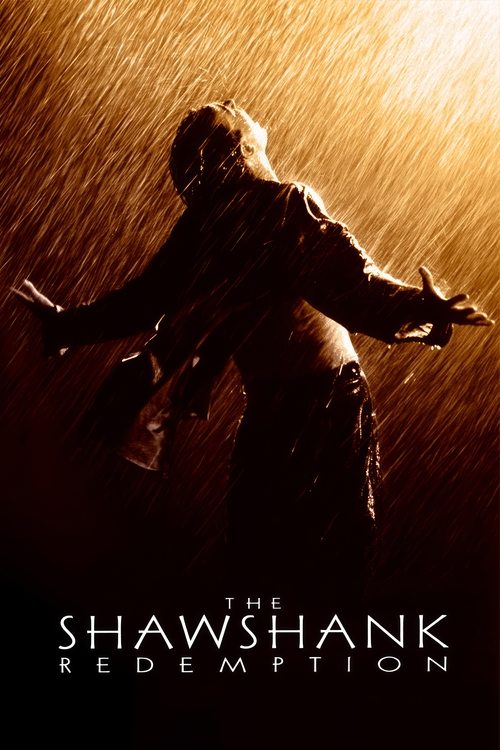
The Shawshank Redemption (1994)
The Shawshank Redemption made just $16 million in its opening run against a $25 million budget despite seven Oscar nominations including Best Picture. The problem? Nobody could figure out what the title meant, and the marketing couldn't convey the emotional power of the film. Then TNT started airing it on cable. And airing it again. And again. It became the most-watched film on cable television, and through sheer repetition and word of mouth, it climbed to the #1 spot on IMDb's all-time user rankings, where it has remained for decades.
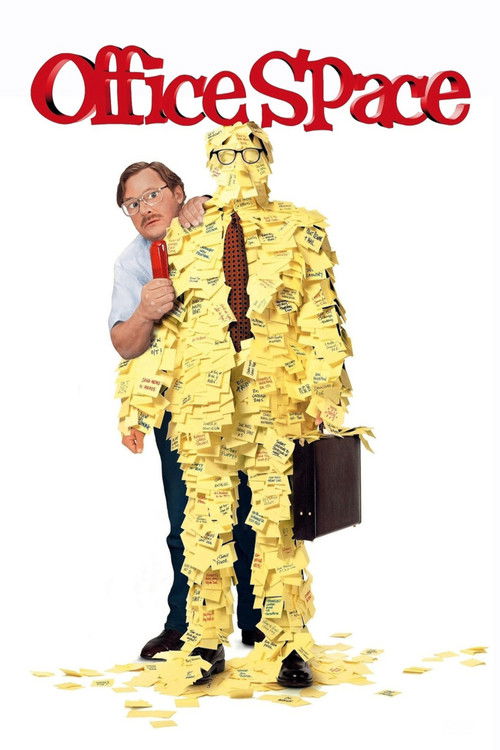
Office Space (1999)
Office Space grossed a meager $10.8 million against a $10 million budget, and Fox considered it a failure. Mike Judge had made the leap from Beavis and Butt-Head to live action, and the studio didn't know how to market a deadpan comedy about cubicle drudgery. But every person who has ever worked in an office immediately recognized the soul-crushing accuracy of TPS reports, passive-aggressive managers, and the printer scene. It became the most-quoted workplace comedy in history and made "case of the Mondays" a permanent part of office culture.

Dredd (2012)
Dredd made just $13 million domestically against a $45 million budget, partly because audiences confused it with the widely mocked 1995 Stallone version. Karl Urban's committed, helmet-stays-on performance and the film's stripped-down, hyper-violent approach to the Judge Dredd source material was exactly what fans wanted. The Raid comparisons (both films feature cops fighting up a tower) didn't help its theatrical run, but streaming and Blu-ray sales turned it into one of the most passionate cult followings of the 2010s, with fans still campaigning for a sequel.
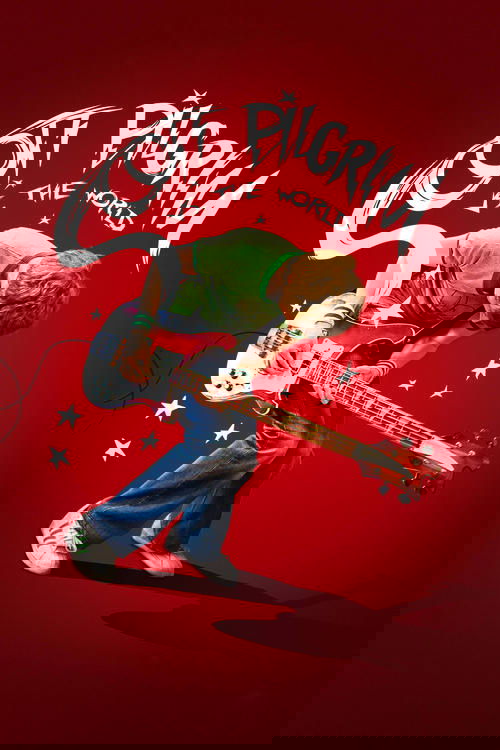
Scott Pilgrim vs. the World (2010)
Scott Pilgrim vs. the World made $47 million worldwide against a $60 million budget, an embarrassing result for a film starring Michael Cera at his peak. Edgar Wright's video-game-infused visual style was years ahead of its time -- audiences in 2010 didn't know what to make of a live-action film that used hit counters, extra lives, and comic book onomatopoeia. But the gaming generation grew up, and Scott Pilgrim became their generational touchstone. The Netflix anime adaptation in 2023 confirmed what fans had been saying for a decade: the world finally caught up.
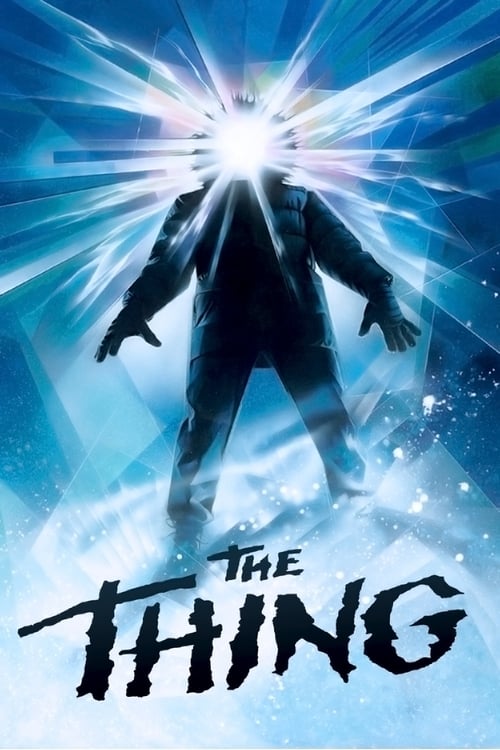
The Thing (1982)
The Thing opened two weeks after E.T. and was savaged by critics who called it "excessive" and "nihilistic." John Carpenter's paranoia-drenched horror about a shape-shifting alien in an Antarctic research station made just $19.6 million against a $15 million budget. The timing was catastrophic -- audiences in the summer of 1982 wanted Spielberg's warmth, not Carpenter's dread. But the film's practical effects (Rob Bottin's grotesque creature work still holds up) and its suffocating atmosphere of distrust turned it into the gold standard for sci-fi horror on home video. It's now universally regarded as Carpenter's masterpiece.