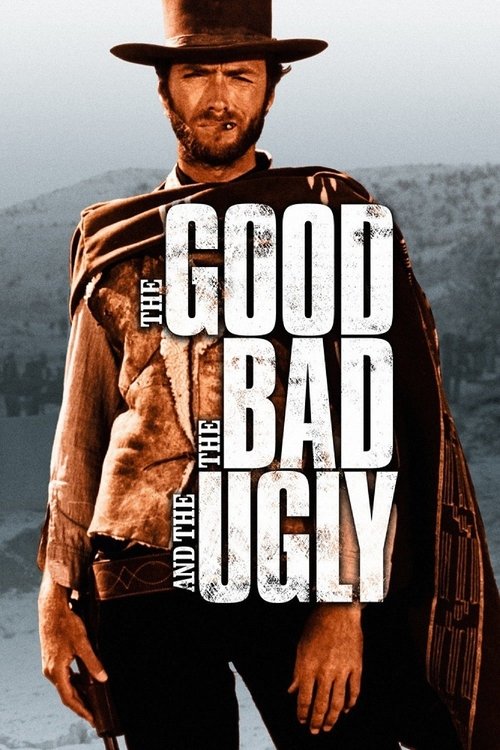
The Good, the Bad and the Ugly (1966)
- Many of the practical effects used in the climax were achieved without any CGI.
- The incredible score for The Good, the Bad and the Ugly was composed in just a few weeks after the original composer dropped out.
- Sergio Leone originally wanted a completely different ending for the film, but test audiences preferred the one we see today.
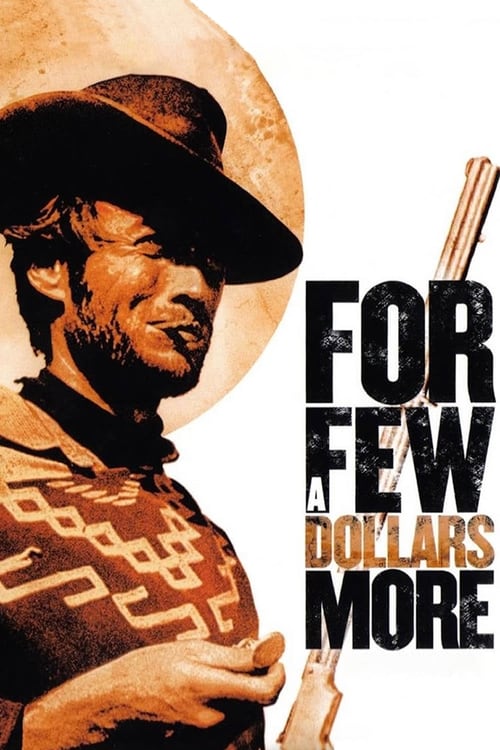
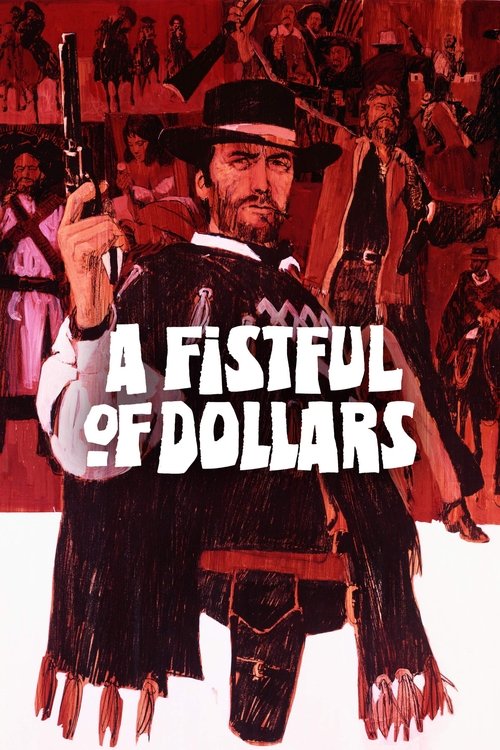
The Good, the Bad and the Ugly is a 1966 Italian epic Spaghetti Western directed by Sergio Leone, the concluding and most celebrated chapter of the Dollars Trilogy. Clint Eastwood stars as "Blondie" (the Good), a laconic bounty hunter; Lee Van Cleef as "Angel Eyes" (the Bad), a ruthless mercenary; and Eli Wallach as Tuco (the Ugly), a fast-talking, opportunistic bandit. The three men pursue a fortune in Confederate gold buried in a cemetery during the American Civil War, forming and breaking alliances as they cross a war-ravaged landscape.
Sergio Leone created what many consider the definitive Western and one of the greatest films in cinema history. Ennio Morricone's score — featuring the iconic "wah-wah-wah" theme performed with electric guitar, ocarina, and human voices — became the most recognizable Western music ever composed and one of the most frequently referenced pieces of film music in any genre. The climactic three-way Mexican standoff in the cemetery, stretched to excruciating tension through extreme close-ups of eyes and hands over nearly five minutes, established the template for standoff scenes that has been imitated in thousands of subsequent films.
The film runs nearly three hours, and Leone used the epic runtime to create a sweeping vision of the Civil War as senseless carnage perpetrated by men too absorbed in their own greed and survival to care about the larger conflict.